


















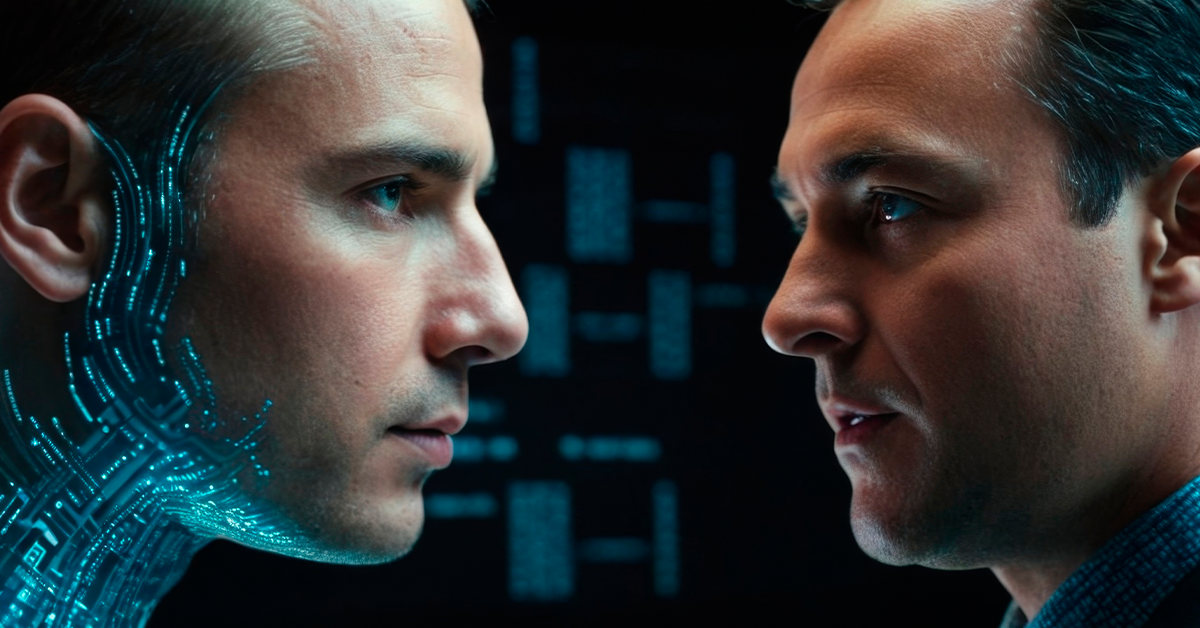
Leading at Human Speed in an AI-Accelerated World
Leadership has always required judgment. What is changing right now is the tempo.
Artificial intelligence has introduced a new operating rhythm into organizations. Ideas can be generated instantly. Data can be synthesized in seconds. Draft strategies can appear in a fraction of the time they once required. Leaders are being handed powerful tools that expand capacity and compress effort.
It is an extraordinary opportunity.
It is also a subtle trap.
When speed becomes available, it quickly becomes expected. Workflows accelerate. Decision cycles tighten. Calendars fill with an urgency that feels justified because so much more now seems possible. The risk is not simply burnout or overload. The deeper risk is that leadership itself begins to operate at a pace that outstrips thoughtful judgment.
Trust does not develop at algorithmic speed. Alignment still requires conversation. Meaning still forms through reflection, context, and shared understanding. When leaders allow technological capability to set the tempo, decisions may become efficient but not necessarily wise.
One emerging challenge in this environment is the quiet outsourcing of thinking. Rarely intentional, and often invisible at first. A leader relies on AI to summarize complex input rather than fully engaging with it. Strategic options appear quickly, so the discipline of wrestling with ambiguity weakens. Recommendations arrive pre-structured, and the deeper questions are left unexplored.
None of this reflects poor leadership. It reflects the reality of powerful tools entering already pressured systems. The real opportunity is not to resist acceleration, but to become more deliberate about how we integrate it.
Increasingly, effective leaders are experimenting with ways to introduce intentional pause points into decision processes. These are not delays. They are moments of stewardship and deliberate opportunities to slow the system just enough for human judgment to re-enter.
A well-placed pause creates space to ask:
 What assumptions are embedded here?
What context might be missing?
Who has not yet had a voice?
What are the second-order consequences if we move forward?
In fast-moving environments, these questions can feel like friction. In practice, they often prevent costly misalignment later.
Leading at human speed does not mean resisting innovation. It means calibrating leadership tempo to the pace at which clarity, commitment, and trust can genuinely form. This distinction is becoming increasingly important as organizations navigate both opportunity and uncertainty.
There are practical ways to strike this balance.
First, be intentional about where speed truly adds value. Administrative efficiency, data synthesis, and early ideation are natural areas for AI acceleration. Decisions that shape culture, direction, or identity benefit from deeper human engagement.
Second, design decision rhythms rather than reacting to urgency. Build structured checkpoints into major initiatives where leaders step back from outputs and revisit purpose, risk, and alignment. This helps prevent moving quickly in the wrong direction.
Third, normalize thoughtful skepticism. Treat AI-generated insights as inputs, not conclusions. When leaders model curiosity and inquiry, they strengthen organizational judgment rather than weakening it.
Finally, protect cognitive space. Strategic clarity rarely emerges in compressed schedules. Leaders who create room to think — even when technology suggests they no longer need to — tend to make more resilient choices.
The organizations that will thrive in an AI-accelerated world will not necessarily be the fastest. They will be the most intentional. They will harness speed where it serves them and slow down where leadership wisdom is required.
Technology is transforming what is possible. Leadership still determines what is meaningful.
______
Get Tango Insider Access – Subscribe below!